
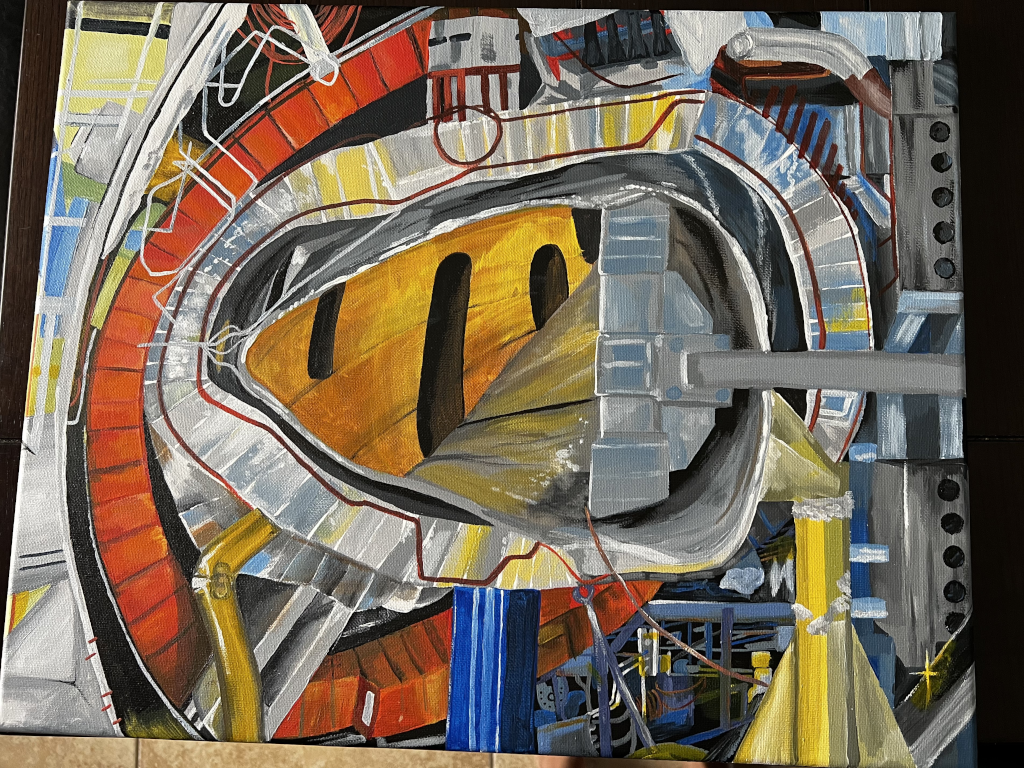
Creative
Beyond the realm of STEM knowledge, I am a creative individual with a passion for art and design. With a well-rounded outlook, I bring a unique perspective to my work and implement out-of-the-box solutions that improve the design process.
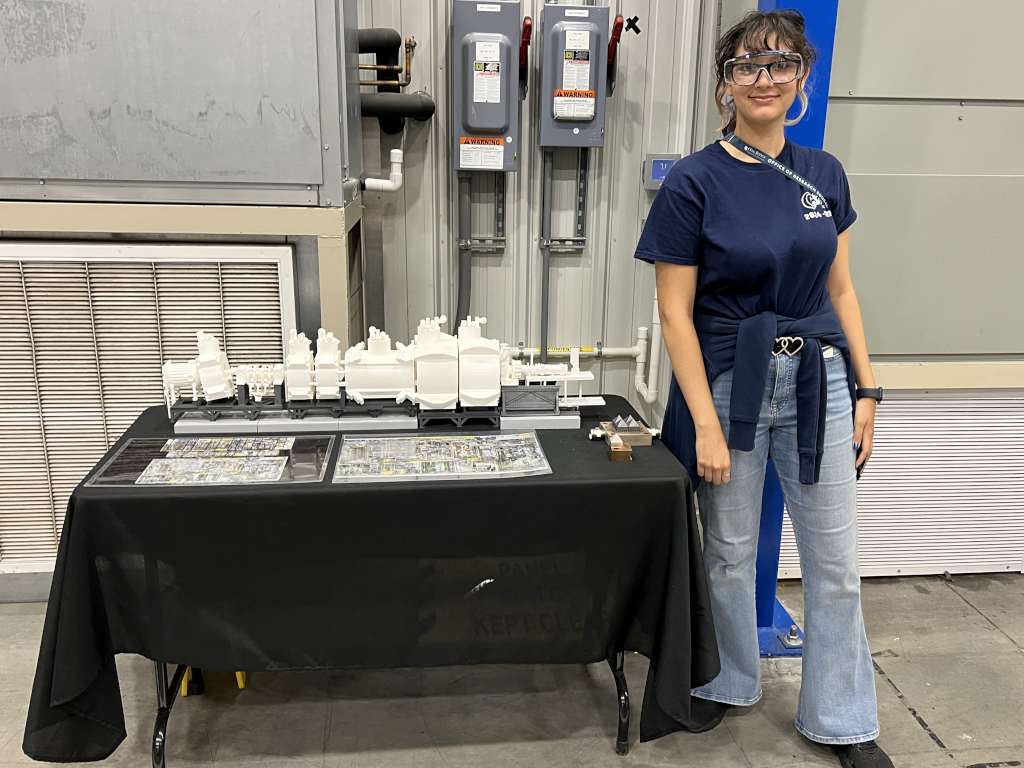
Self-Motivated
I go for the things I am passionate about. I am always looking for new opportunities to learn and grow, and I am not afraid to take on new challenges.
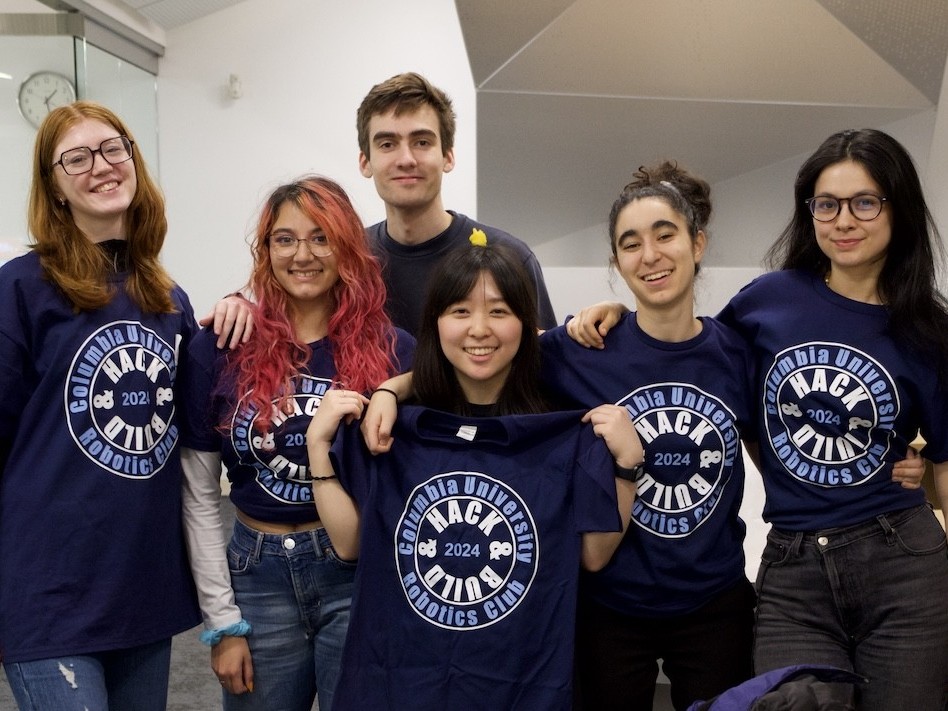
Collaborative
I work well in team settings and enjoy collaborating with others to achieve common goals. The key to success is good communication and planning.
Project Highlights
PABOTRoboticsReaderRadarJust for FunFission PaperNuclear ResearchSULIFusion ResearchSkateboard FEAMechanical EngineeringWho Am I?
If you want to know who I am, the best way to tell you might be to tell you my why. Why did I pursue the sustainability field? Why did I choose to study mechanical engineering? Why did I apply to your company?
On a base level, I simply want to be an engineer. I liked building things growing up, I was creative, always liked problem solving, and was considered good at math and science (I was the certified “nerd” of the neighborhood). As such, engineering felt like the natural step. It wasn’t until my first semester of college that I realized I would have to choose a specific *type* of engineering. At that point, I only knew that I wanted to be hands-on and to help as many people as possible, though I wasn’t quite sure how exactly I was going to do that. I ultimately chose mechanical engineering because it was the broadest type. A mechanical engineer learns a bit of everything, so I would be able to go into anything.
I would say that just as important as my choice of major is my choice of minor. I want to build things that benefit society, and a big problem that I care deeply about is climate change. Growing up in Phoenix, Arizona, I was inspired by the way Native American societies thrived harmoniously with the environment, considering humanity as a part of the ecosystem. This philosophy did not make them primitive; it provided a lens through which innovation could be sustainably developed. For example, the current canal network overlaps one of the most sophisticated prehistoric canal irrigation systems in the world, built by the Hohokam people. We are capable of developing solutions that work with the ecosystem we live in, not against it. I chose to minor in sustainable engineering so that I could apply a focused effort on learning how to find solutions to our environmental issues and ensure that I know how to design with sustainable practices in mind.